Today, December 18, a new exhibit opens at the Uffizi Gallery that is quite interesting. It is called “Wax Upon a Time. The Medici and the Arts of Ceroplastics” – and the “Wax Upon” part is a play/translation of the Italian title of the exhibit’s play of words between “cera” which means wax and “c’era” which means “there was”: the title in Italian is “Cera una volta“.
Wax as an Art Form in Renaissance Florence
In any case, the exhibit is dedicated to works of art from the Medici collections from the 15th to late 17th centuries made in wax along with other mediums, but mainly wax. It includes busts and relief portraits, paintings and death masks. Wax, which is soft and neutral, was a very common medium to work with and sculpt in the Renaissance, it seems, but it wasn’t considered by the “critics” back then as one of the “major” arts like painting and sculpture in stone or marble so many of these works have been ignored in art history. This is actually the first ever exhibition dedicated to sculptures made with wax, with about 90 pieces coming from all over and located on the ground floor of the Uffizi, in new rooms recently renovated for exhibits. It will run until April 12, 2026.

A Forgotten Art, Finally Rediscovered
The aim of ‘Cera una volta’ is to make wax sculpture better known since even today it is still confined to a sort of unconscious realm of art history. At the height of its greatest popularity and splendor, it was avidly sought for noble collections and of course the Medici were among them. Unfortunately, the Lorraines which inherited the Medici collections did not share the love for these works, and in 1783 placed many on an auction sale, scattering them to the winds.

From the Lost-Wax Technique to Today’s Uffizi
The exhibition’s main work centered around reconstructing the history of wax as a material used in sculpture, which in Florence came about large after the 15th century after Lorenzo Ghiberti invented the “lost-wax” technique used in casting bronze sculptures for the doors of the Baptistry.
A lot of the works have been forgotten and the exhibition has made it possible to return many works to the Uffizi for the first time in centuries.
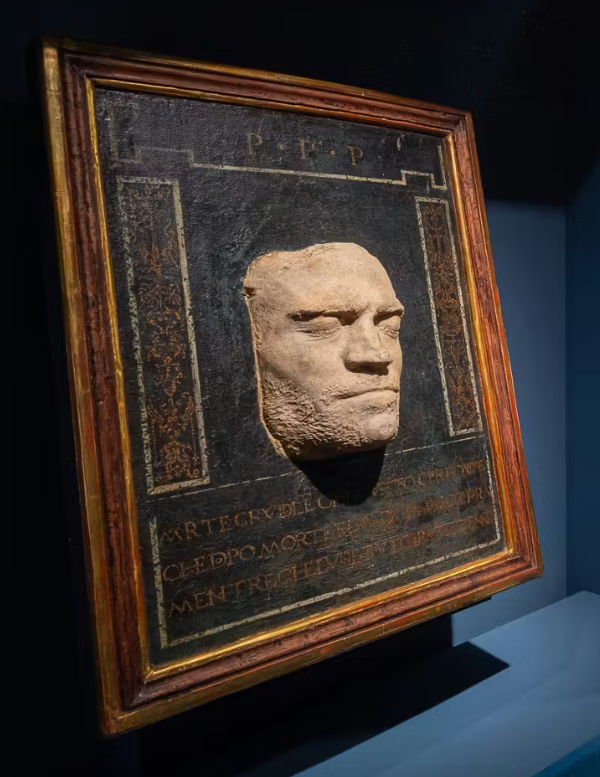
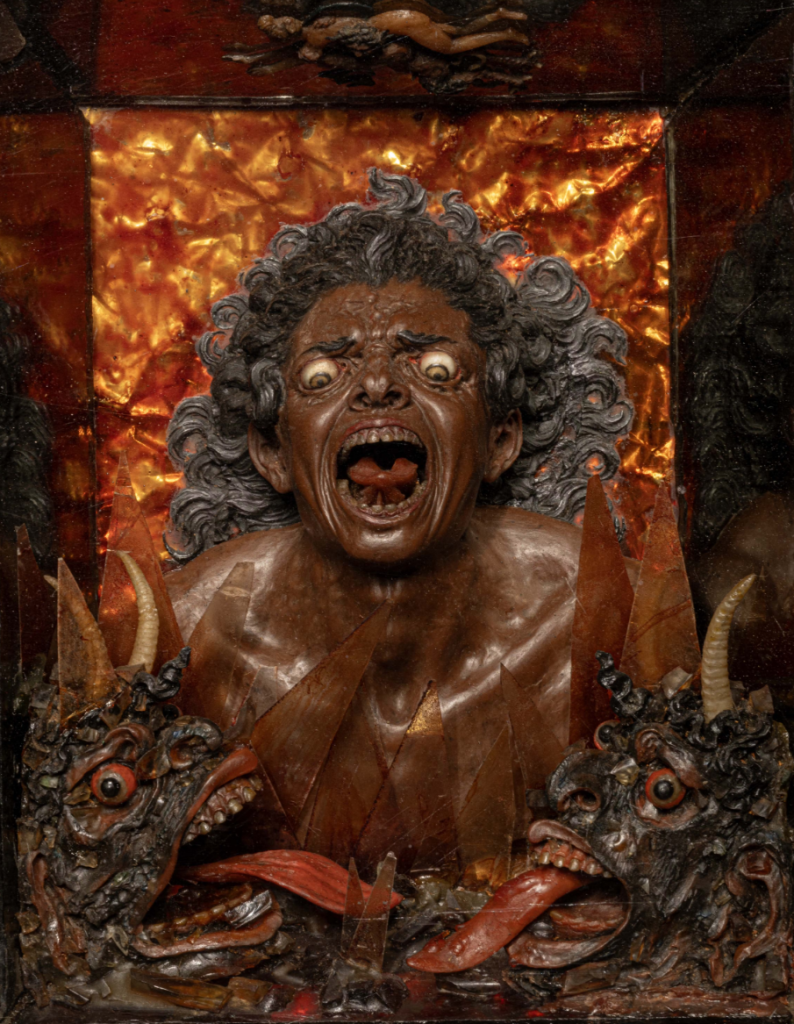
The works include waxworks, paintings, sculptures, cameos and works in semiprecious stones. You will be able to admire the famous plaster death mask of Lorenzo de’ Medici, made by the waxworker Orsino Benintendi, and the Screaming Soul in Hell attributed to Giulio de’ Grazia. An entire room is dedicated to the greatest wax sculptor in Florence at the end of the 17th century, Gaetano Giulio Zumbo.
Restorations, Discoveries, and a One-of-a-Kind Opportunity
For the exhibition, the Uffizi Gallery has sponsored numerous restoration works on wax and terracotta works belonging to Florentine, Italian and foreign institutions which then makes it easier to appreciate their quality. These restorations have also made it possible to further the knowledge on the methods used to craft these rare artifacts. It is also the first time that over half of the works by Zumbo are all collected together in one place, so visiting this exhibition while you’re in Florence is truly a special opportunity you shouldn’t miss!
Practical Information for Visiting
Please note that this is the first time an exhibition is located on the recently renovated ground floor rooms of the west wing of the Uffizi and, finally, you can choose to add this exhibit to your visit to the Uffizi or just visit this and not the Uffizi at the same time with completely separate tickets.
Wax upon a time.
The Medici and the arts of ceroplastics.
Uffizi, Exhibition Rooms of the West Wing
From 18 December 2025 to 12 April 2026
(8.15am-6pm, last admission at 5.30pm)
10 euro | regular admission
7 euro | for those who have a valid ticket to any museum of the Uffizi Galleries (Uffizi, Pitti Palace, Boboli Gardens), for the same day of admission to the exhibition.
Ticket office at the entrance to the exhibition.