Florence was the Capital of the "Cenacolo" or "Last Supper" long before Leonardo da Vinci worked on his own work in Milan...
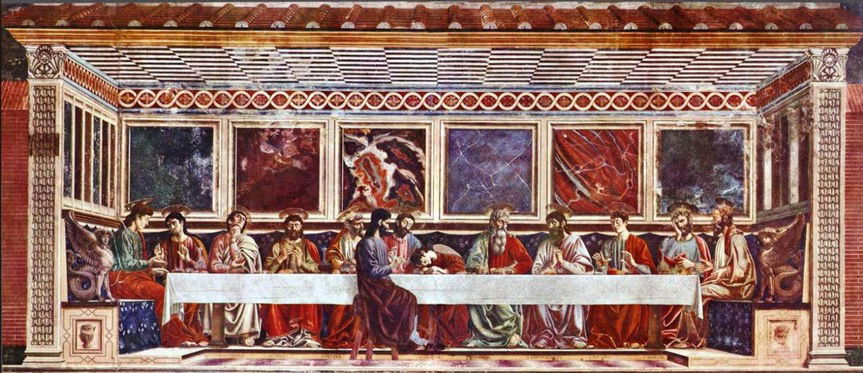
Our new adventure features seven locations you can visit and admire the most famous Florentine cenacoli, or better known as the "Last Supper" cycle in paintings. These gems of color, movement and history are spread across the city, hidden for centuries inside montasteries and cloisters when these spaces were reserved for the monastic life. These monastries jealously concealed these splendid frescoes depicting the theme of the Last Supper, and as they were frescoed onto the walls, they were safely kept in the same location where they were painted back in the Middle Ages or in the Renaissance. That is, it was hard to steal them and you have the luck to be able to see them right where they have always been!
While many will think of Leonardo da Vinci's "Last Supper" first and foremost, it is one of his most well-known masterpieces, but it is located in Milan to the north of Florence. He experimented on that commission and most of it started peeling off the wall shortly after it was painted. It has been jealously been well guarded for decades. Unless you're specificially going to Milan to see it, we recommend you start your study of these masterpieces with earlier works right here in Florence.
Leonardo was able to see many of these works while he worked in Florence, he was deeply influenced by many of them. Below we offer a list of the Last Suppers spread across Florence, open to the public albeit some with quirky visiting hours, so that you can make a note and plan to visit them while in Florence. Many of these are off the beaten path of things to see in Florence, so you'll get a chance to a quiet visit as you reflect on the beauty of these works of art.
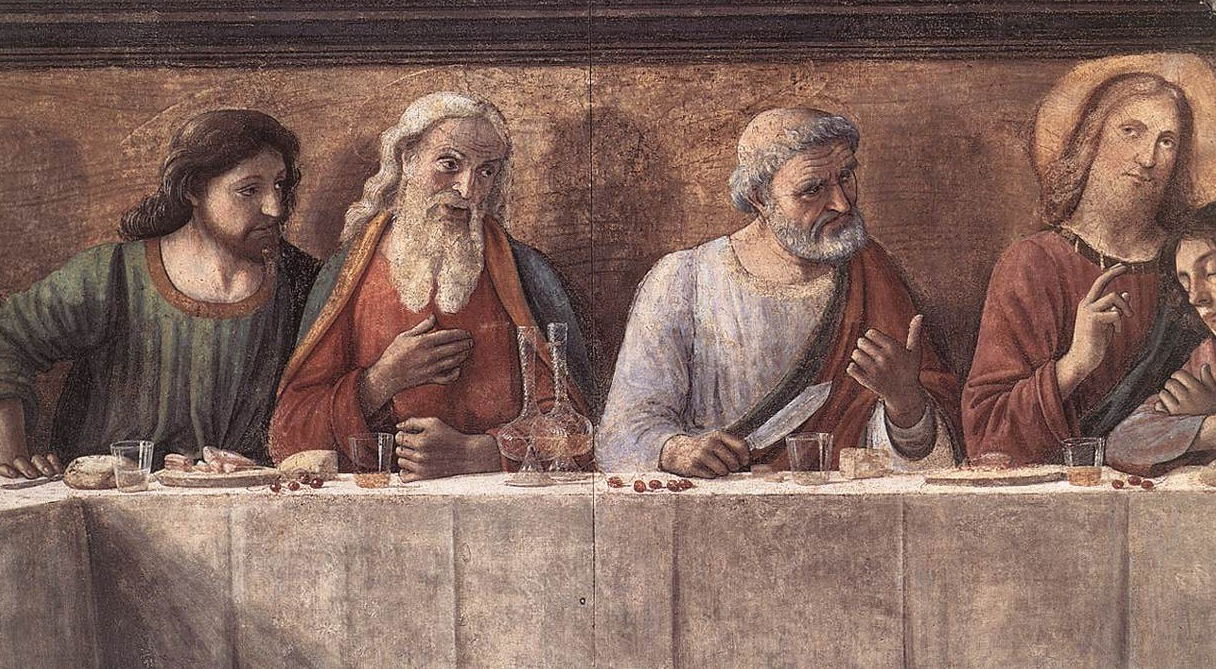
Why the "Last Supper" was a popular subject to paint
The refectories within convents and monasteries are where the monks and nuns ate their meals. The Last Suppers, called cenacoli in Italian, are all found in these spaces, so they accompanied the often fully cloistered people while they were eating themselves. It definitely served as a way to share the meal, as well a reminder of Jesus supping with his followers calmly before he was betrayed by Judas, as well as a reflection that life can quite suddenly change. Being able to visit these places only came about once the religious orders that occupied them were suppressed and the monasteries became a part of the Italian state, in the second part of the 19th century.
Stepping back and in to these places can be a way to step back in time, into the silence to contemplate the beauty of the art as it intertwines with history. Most of these permit you to step up close and examine the brush strokes and colors. Entrance into these sacred halls is probably one of the best kept secrets in Florence: most of them are open to the public all year round, all you need to do is search for them as some are not precisely in the center!
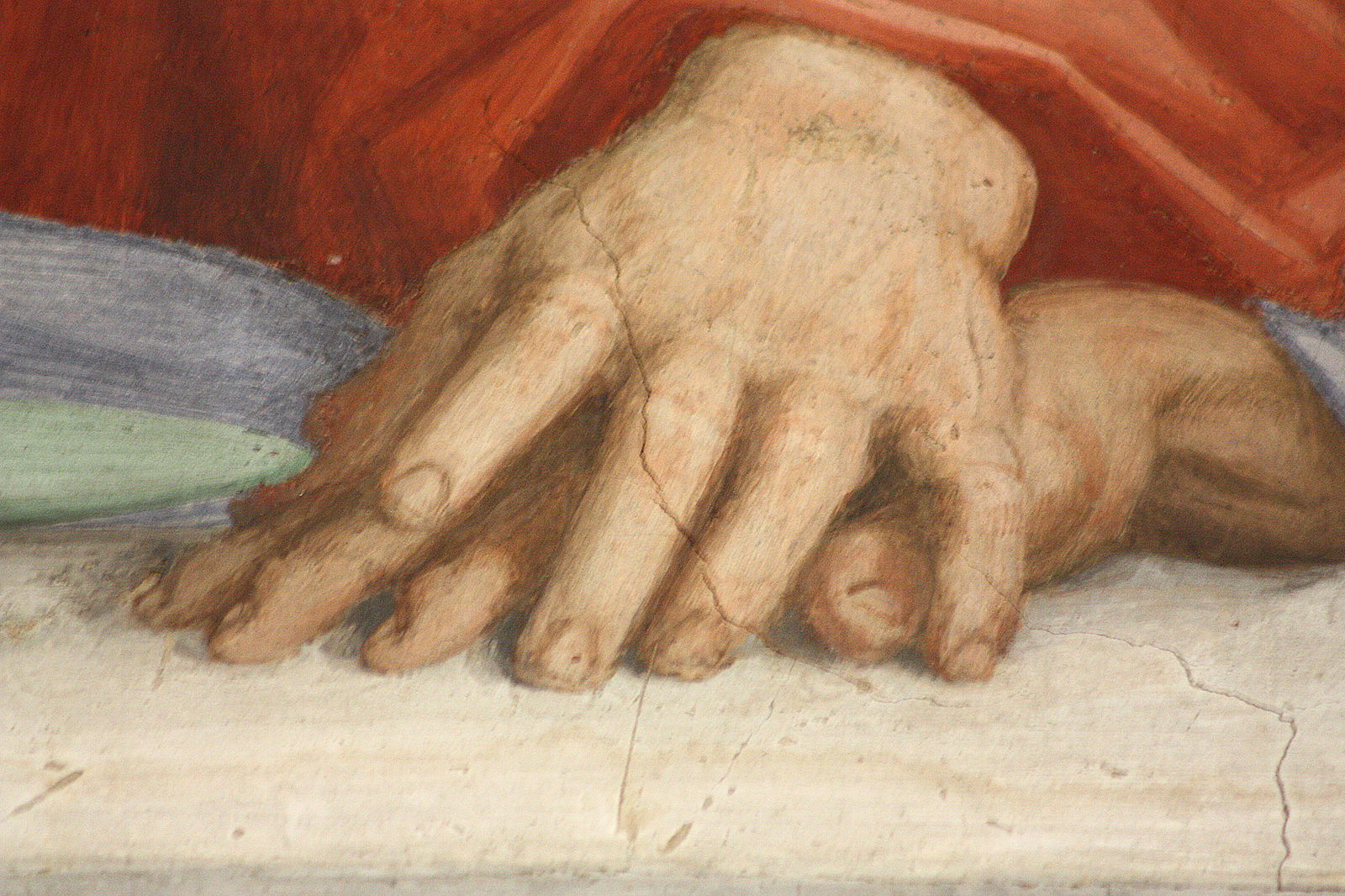
These churches, monasteries and convents can be considered small museums and they offer a different type of itinerary where you can follow the progression of the great Florentine masters from Gothic to Renaissance art.
Our fascinating series begins with Taddeo Gaddi in Santa Croce in 1340 and proceeds to cover other artistic greats like Orcagna, Andrea del Castagno, Ghirlandaio, Perugino, Franciabiglio up to the sixteenth century with Andrea del Sarto and Alessandro Allori, with the Cenacolo in Santa Maria del Carmine (1582). Recent restorations have also restored Giorgio Vasari's Last Supper, not a fresco but a painting that was heavily damaged in the flood of 1966 and the only woman's work we know to have ever done a Last Supper, Plautilla Nelli's rendition today found in Santa Maria Novella's refectory.
8 Stops in Florence
Let's get started . . .
- Santa Croce: Taddeo Gaddi (1336-1366 circa). In Santa Croce, you should visit the the entire complex but the refectory is home to Gaddi's fresco as well as to another Last Supper (since 2016), by Giorgio Vasari (1546-1547), which is a painting on a wooden frame and not a fresco. This painting was damaged by the flood of 1966 in Florence and was only restored after over 40 years.
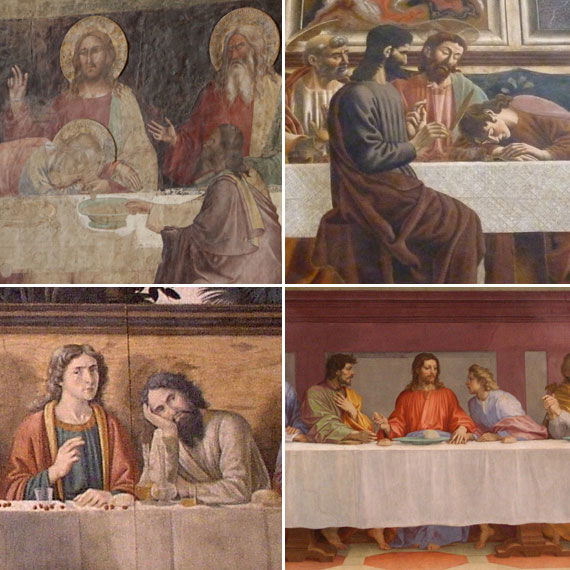
- Santo Spirito: Orcagna (1365)
- Sant'Apollonia: Andrea del Castagno (1445-50)
- Ognissanti: Domenico Ghirlandaio (1480-1482)
- Fuligno: Pietro Perugino (1495)
- San Salvi: Andrea del Sarto (1519-27)
- Convitto della Calza by Franciabigio (1514)
- S. Maria del Carmine: Alessandro Allori (1582) - not open to the public, this a fresco and an identical copy made by Allori was made as a painting and is today in Bergamo.
- Santa Maria Novella: Plautilla Nelli (mid 1500s) and another Last Supper by Alessandro Allori (1584/97), both are paintings
Here's a small preview into scenes of four of the Last Suppers listed above - click on the links above to explore each of them in more detail!
Please note that all of the Last Suppers all require an entrance ticket, as of January 2026. It is unfortunate, but at least now the majority have more regular hours.
Last update: 30/01/2026 - I am updating all the info on the Last Suppers individually and hope to add new ones to complete the series.